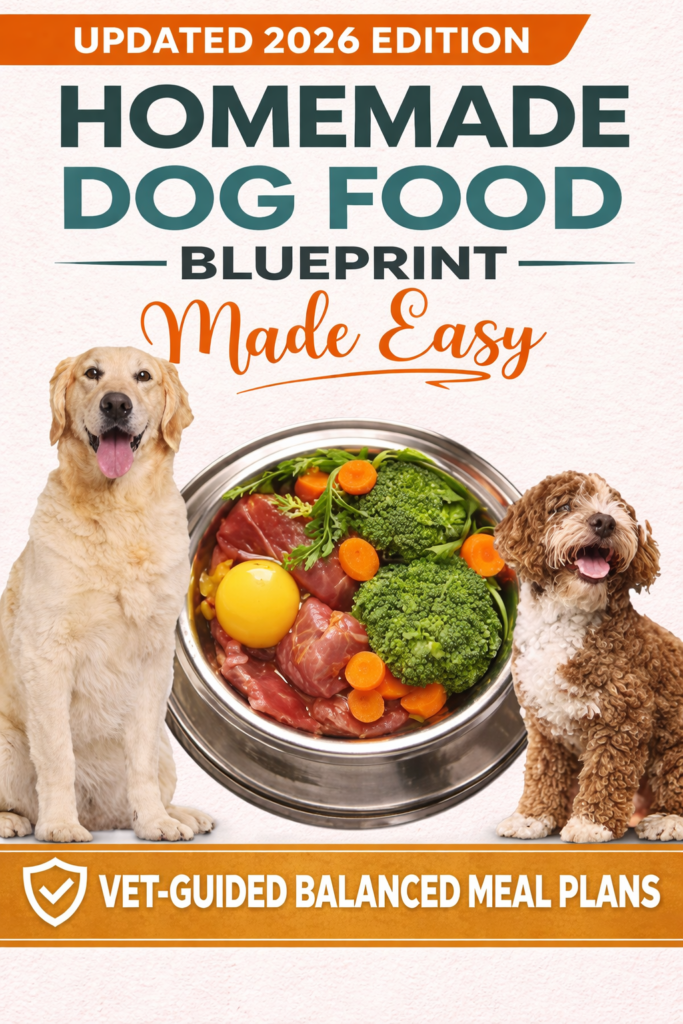
Feeding your dog isn’t just about filling their bowl—it’s about nourishing their body, boosting their immunity, and ensuring a long, happy life. In recent years, more pet parents are shifting toward homemade meals, and for good reason. A homemade dog food blueprint gives you full control over ingredients, quality, and nutrition.
But here’s the challenge: many dog owners don’t know where to start. What should you include? How do you balance nutrients? Is it really safe?
Don’t worry—this complete, vet-inspired guide will simplify everything for you.
PurePupMeals.com Home Pegahttps://purepupmeals.com/
Before diving into the blueprint, let’s understand why homemade dog food is gaining popularity.
You know exactly what goes into your dog’s meals—no preservatives, artificial flavors, or hidden fillers.
Fresh, natural food is easier to digest, reducing bloating and stomach issues.
Healthy fats and real proteins result in shinier coats and healthier skin.
Homemade meals help eliminate common allergens like wheat, soy, and artificial additives.
Yes—if done correctly.
A poorly balanced diet can lead to deficiencies. That’s why following a proper homemade dog food blueprint is essential. Dogs need a balance of protein, fats, carbohydrates, vitamins, and minerals.
Here’s a simple formula recommended by many veterinarians:
Let’s break it down.
Protein is essential for muscle growth, energy, and overall health.
Vegetables provide fiber, vitamins, and antioxidants.
You can also read our detailed Pedigree Dog Food Review.https://purepupmeals.com/pedigree-dog-food-review-2026-pros-s-cons/
Carbs provide energy and support digestion.
Fats support brain function, skin health, and energy.
Here’s a simple and balanced recipe you can try:
Feeding amounts depend on your dog’s size, age, and activity level.
Split meals into 2 servings daily.
To keep your dog interested and ensure balanced nutrition, rotate ingredients.
Even with the best intentions, mistakes can happen.
Only feeding meat is not enough—dogs need variety.
Lack of calcium can lead to weak bones.
Homemade food is nutritious but calorie-dense.
Avoid chocolate, grapes, onions, and garlic.
After switching to a proper homemade dog food blueprint, many owners report:
Switching suddenly can upset your dog’s stomach.
It depends.
✔ Fresh and natural
✔ No preservatives
✔ Customizable
✔ Convenient
✔ Balanced (if high-quality)
✔ Long shelf life
Best approach: Combine both or consult your vet for a tailored plan.
Always seek professional advice if your dog:
Creating a homemade dog food blueprint made easy isn’t complicated—it just requires the right knowledge and consistency. By following a balanced approach, you can provide your dog with fresh, nutritious meals that support long-term health.
Remember, your dog relies on you for everything—including their diet. Taking this extra step can make a huge difference in their quality of life.